 (901)-244-5003




















You finally receive your Tennessee car accident police report, open the document, and find several pages of numbered vehicles, unfamiliar abbreviations, coded boxes, and a diagram that may not look much like the intersection where your accident happened.
The report contains important information, but knowing what to look for is not always straightforward.
If you are trying to understand a crash report in Tennessee, this guide explains which sections to review, what the officer’s observations may tell you, and why some details deserve a closer look.
Start With the Basic Crash Information
The Tennessee Electronic Traffic Crash Report typically begins with information identifying the collision.
Check the date, time, location, investigating agency, and report number. Confirm that the roadway, intersection, and direction of travel match what you remember.
These details may seem administrative, but inaccuracies can create problems when an insurance company attempts to verify the accident or obtain supporting records.
Also check whether the investigation is marked complete and whether photographs were taken. Those entries may help identify additional evidence worth requesting.
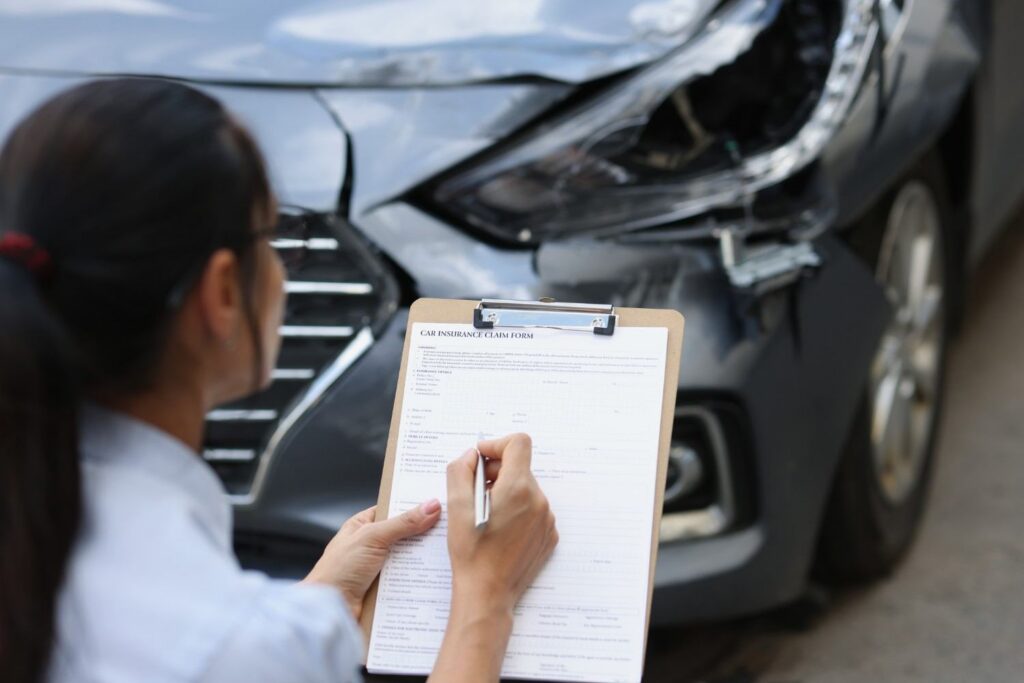
Understand the Vehicle and Driver Information
Tennessee crash reports identify vehicles by assigned numbers, such as Vehicle 1 and Vehicle 2.
Vehicle 1 does not automatically mean the driver was responsible for the collision. These numbers primarily help organize the information throughout the report.
Review each vehicle’s identifying details, driver information, insurance information when available, and reported direction of travel.
Pay attention to whether the report correctly identifies passengers and other people involved. Missing or inaccurate information may complicate later efforts to document injuries.
What Do the Collision Factors and Codes Mean?
Tennessee’s crash reporting system uses standardized fields to document circumstances surrounding an accident.
Depending on the report, these may include:
- Weather and lighting conditions: Whether rain, darkness, or visibility may have affected the collision.
- Roadway conditions: Information about the road surface, intersection, or surrounding environment.
- Manner of collision: Whether the crash involved a rear-end impact, sideswipe, angle collision, or another configuration.
- Contributing factors: Circumstances the investigating officer identified as potentially contributing to the crash.
- Injury information: Recorded injury classifications and details about occupants.
Some entries use codes rather than complete descriptions. Consult the report’s applicable code definitions rather than guessing what a number means.
Read the Diagram Alongside the Officer’s Narrative
The diagram and narrative can be among the most useful parts of a Tennessee accident report.
A diagram may show vehicle movements, impact locations, roadway features, and final vehicle positions. The narrative may explain the officer’s understanding of how the collision occurred.
Read them together.
For example, if the narrative describes a driver turning left across oncoming traffic, does the diagram show the same movement? Does either account conflict with photographs, vehicle damage, or what witnesses reported?
Remember that the officer may not have personally witnessed the collision. Some conclusions may rely on statements collected afterward.
Does a Traffic Citation Prove Who Caused the Accident?
Not necessarily.
A citation may support an allegation that a driver violated a traffic law, but it does not automatically establish civil liability for an injury claim.
Likewise, the absence of a citation does not mean nobody was negligent.
Tennessee follows modified comparative fault rules, meaning the percentage of responsibility assigned to each party can affect whether compensation is available and how much may be recovered.
An officer’s report can provide evidence, but an insurance company’s assessment or a court’s decision may require additional information.
What if Something in the Police Report Is Wrong?
If you discover an error, identify exactly what appears incorrect and gather supporting documentation.
A misspelled name or incorrect insurance detail is different from a disputed account of who had the right of way. The investigating agency may have procedures for addressing factual errors or adding supplemental information, but it may not agree to change an officer’s conclusions.
Preserve the original report, photographs, witness information, and any other evidence that supports your account.
Make Sure the Report Tells the Whole Story
Learning to read a car accident police report in Tennessee helps, but the document is only one part of establishing what happened.
The Gold Law Firm has represented injured Tennesseans for more than 25 years, handling over 5,000 cases and recovering more than $25 million for clients. Our Memphis attorneys review crash reports and other evidence to investigate disputed facts and pursue injury claims.
If your police report contains confusing information, apparent errors, or findings that do not match what happened, call or text The Gold Law Firm at (901) 244-5003 or contact us online for a free consultation. We can help you understand what the report means for your claim.
