 (901)-244-5003



















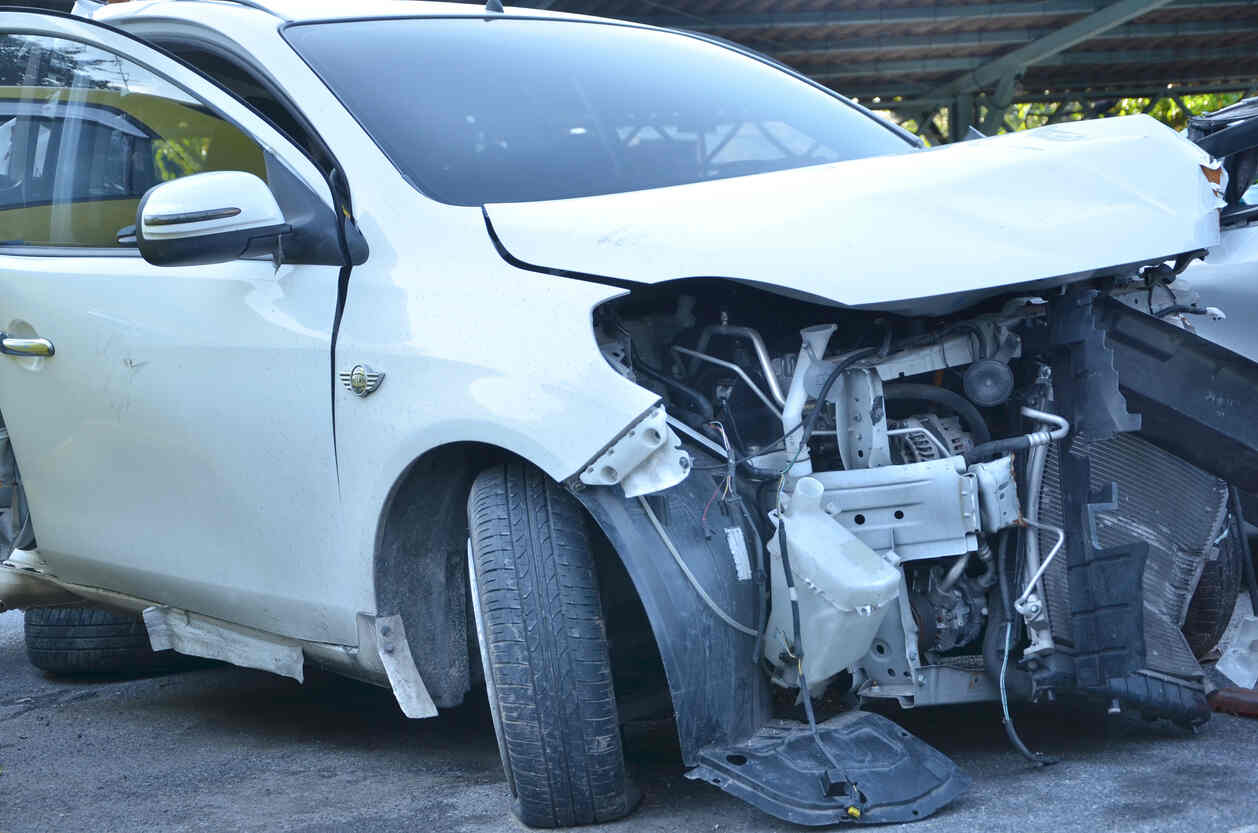
After a motor vehicle collision in Tennessee, one of the most essential items you’ll want to secure is your auto accident crash report. This document contains key facts about what happened, who was involved, and, in some cases, initial findings on cause and fault. Whether you need it for an insurance claim, a legal matter, or your own records, knowing how to obtain this report in Tennessee can streamline the process.
Below, we break down step-by-step how to get your Tennessee crash report, what you’ll need, where to go, and why it matters.
What is a Tennessee Auto Accident Crash Report?
When a collision occurs, and law enforcement responds, an officer typically completes a Crash Report (often called a police report).
This report includes:
- The date, time, and location of the crash.
- Names and contact information of drivers, passengers, and witnesses.
- Vehicle descriptions and insurance details.
- A narrative describing how the crash happened.
- Diagrams or photos, if available.
In Tennessee, these reports are official records and can serve as valuable evidence for insurance claims and personal injury cases.
Crash reports help:
- Document the sequence of events following a collision.
- Support your insurance claim and liability determination.
- Provide evidence for legal claims if injuries or damages occurred.
- Clarify details for medical and repair costs.
Insurance companies often ask for a copy when evaluating claims. Personal injury attorneys rely on them to build a clear understanding of fault and injuries sustained.
Step-By-Step: How To Get Your Crash Report in Tennessee
After the police respond to your crash, it may take three to seven days for the report to be finalized and available. Wait at least a few business days before requesting your copy.
Identify Where the Crash Was Reported
Crash reports in Tennessee are issued by the law enforcement agency that responded.
Common reporting agencies include:
- Memphis Police Department.
- Nashville Metro Police.
- Knoxville Police Department.
- Chattanooga Police.
- County Sheriff’s Offices.
- Tennessee Highway Patrol.
Your crash report is usually held by the agency that handled your collision.
Request the Report From the Correct Agency
You can request your crash report in several ways:
- In Person
Visit the Records Division of the responding agency. Bring your driver’s license and crash details.
- Online
Some Tennessee cities allow crash report requests through official online portals. Check with the specific law enforcement website for online ordering.
- By Mail
Send a written request with your name, date of crash, collision location, and any officer report number (if known). Include a copy of your driver’s license and a self-addressed stamped envelope.
Most agencies charge a small fee for copies.
Provide Required Information
To ensure the agency locates the correct record, you’ll typically need to provide:
- Your full name.
- Date of the crash.
- Location (city/county).
- Crash report number (if known).
- Driver’s license or ID copy.
Being as specific as possible helps avoid delays.
Pay Applicable Fees
Most law enforcement agencies charge a fee to copy or mail a crash report. Fees vary by jurisdiction, so check the exact cost when requesting your report.
What If You Can’t Get the Report?
If you encounter difficulty getting your crash report, don’t panic. Agencies sometimes have processing delays or require additional information.
You can:
- Call the records division directly for status updates.
- Visit in person with proper identification.
- Ask our attorney to assist. Our legal professionals frequently obtain these records on behalf of our clients.
How The Gold Law Firm Can Help
At The Gold Law Firm, we understand how vital your crash report is to your claim or case. If you’ve been injured in a Tennessee auto collision and need help obtaining records, documenting your injuries, or seeking fair compensation, our experienced Memphis personal injury attorneys are here to guide you every step of the way.
Contact us online for a free consultation, or call or text (901) 244-5003, and let us handle the details so you can focus on recovery.
